
Start With the Simple Rule
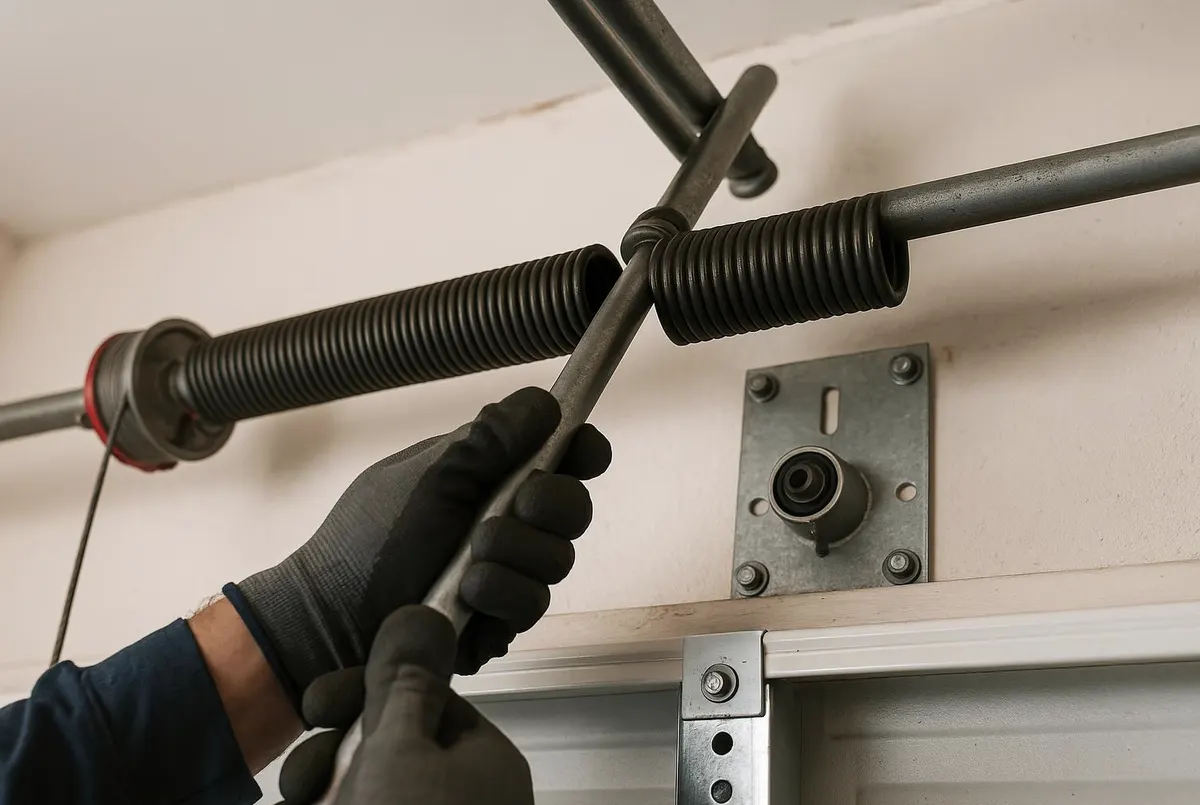
Most garage door noise comes from loose hardware and dry metal, not a dying opener, so the fix usually starts with a wrench and a can of lubricant, not a new motor. The exceptions matter, though: a loud bang or pop, a grinding sound from one side of the door, a hum with no movement at all, or anything that sounds like metal snapping should stop you before you touch anything. Those point to spring tension, a cable, or a motor problem, and they're jobs for a technician, not a Saturday project.
Tools You'll Need
- Socket wrench set (most garage door hardware uses 7/16" or 1/2" bolts)
- Silicone-based garage door lubricant (not WD-40 or grease, which attract dust and grit)
- Flashlight
- Sturdy step ladder
- Clean rag
Step-by-Step: From the Easiest Fix to the Bigger Job
- Tighten everything. Walk the track with your ladder and check every bracket, hinge bolt, and roller bracket for play. Ocala's heat and humidity swings cause metal to expand and contract, and over months that loosens hardware just enough to create rattle. This is a straightforward homeowner task.
- Lubricate the moving parts. Spray silicone lubricant on the rollers, hinges, and the spring coils (not the opener's drive chain unless the manufacturer says to). Afternoon humidity leaves a film on bare metal that dries out and squeaks; lubricant breaks that cycle. Wipe off excess so it doesn't collect dust. Safe for homeowners.
- Check your rollers. Steel rollers are noisier than nylon ones, and if yours are pitted, cracked, or flat-spotted, that's often the real source of the rumble. Replacing worn rollers one at a time is manageable for a comfortable DIYer, but if a roller is seized in a bent bracket, stop and call a technician instead of forcing it.
- Look at the drive mechanism. Chain-drive openers are the loudest by design because metal links run through a trolley. If yours bangs on start and stop, that's often normal chain slap, not damage. Adjusting chain tension yourself is possible but easy to get wrong, and an over-tightened chain strains the motor gear. This is the point where it's worth asking a technician to check it along with everything else, rather than guessing.
- Add vibration isolation. A rubber isolator kit between the opener motor and the ceiling bracket stops noise from traveling into the attic and living space above the garage, which matters most in homes where a bedroom sits over the garage. These kits install with the same wrench you're already using, so it's a reasonable DIY step.
- Consider a belt-drive conversion. If you've done all of the above and the opener is still loud, old, or showing other age (slow response, worn gears, inconsistent reversing), replacing a chain-drive unit with a belt-drive opener solves the noise at the source — rubber belts run nearly silent compared to chain or screw drives. This isn't a swap-the-part job. It involves matching horsepower and travel to your door's size and weight, resetting the force and limit settings, and rewiring the wall console and safety sensors correctly. That's technician territory.
What a Homeowner Can Safely Handle
- Tightening loose bolts and brackets
- Lubricating rollers, hinges, and springs
- Replacing a single worn roller
- Installing a vibration isolation kit
What Needs a Technician
- Grinding, popping, or snapping sounds from the spring area
- A motor that hums but doesn't move the door
- Frayed or visibly damaged lift cables
- Chain tension adjustments on an older opener
- A full belt-drive opener installation or replacement
Why Ocala's Climate Makes This Worse
Hot, humid air and regular afternoon downpours aren't just uncomfortable, they're hard on garage door hardware. Moisture works into hinge pins and spring coils and speeds up surface rust, especially on doors that don't get lubricated regularly. Wood door frames and jambs can also swell slightly in humid stretches, which changes how the door sits in the track and adds friction noise that has nothing to do with the opener itself. If you're heading into storm season and noticing more noise than usual, it's worth having the whole system checked rather than just the opener, since track alignment shifts from wind load or a swollen frame will keep causing noise no matter how much you lubricate.
When to Call Ocala Door & Opener
If you've tightened, lubricated, and isolated everything and the door is still loud, or if you hear anything that sounds like metal under strain, it's time to call in a technician. Our Garage Door Maintenance & Tune-Up service covers a full inspection of springs, cables, rollers, and track alignment, so you know whether the noise is cosmetic or a sign of a bigger problem before it leaves you stuck. If the opener itself is the issue, our Garage Door Opener Installation service includes properly sized belt-drive units matched to your door, with correct force and travel settings so the new opener runs quietly from day one instead of needing the same fixes again in a year.
If your garage door opener in Ocala, Belleview, Silver Springs, Dunnellon, The Villages, Marion Oaks, Summerfield, or Anthony has gotten too loud to ignore, give Ocala Door & Opener a call. We'll show up on time, tell you straight whether it's a quick fix or a bigger repair, and get it done right the first time.